
Author · 5 June 1887 – 17 September 1948
Ruth Benedict
Culture, language and personality
Edward Sapir

Culture, language and personality
The chrysanthemum and the sword
Ruth Benedict
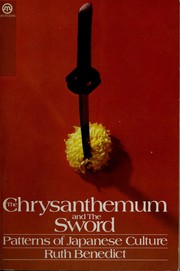
The chrysanthemum and the sword
Patterns of culture
Ruth Benedict

Patterns of culture
Patterns of culture.
Ruth Benedict

Patterns of culture.
An anthropologist at work
Ruth Benedict

An anthropologist at work
Race
Ruth Benedict
Race
an anthropologist at work
Margaret Mead
an anthropologist at work
Kiku to katana
Ruth Benedict
Kiku to katana
The concept of the guardian spirit in North America
Ruth Benedict
The concept of the guardian spirit in North America
The chrysanthemum and the sword
Ruth Benedict
The chrysanthemum and the sword
The races of mankind
Ruth Benedict
The races of mankind
Zuni mythology ...
Ruth Benedict

Zuni mythology ...
All 40 works
An anthropologist at work
Ruth Benedict
An anthropologist at work
Race and racism
Ruth Benedict

Race and racism
Patterns of culture
Ruth Benedict
Patterns of culture
Race and racism.
Ruth Benedict
Race and racism.
Thai culture and behavior
Ruth Benedict
Thai culture and behavior
Tales of the Cochiti Indians
Ruth Benedict

Tales of the Cochiti Indians
No quotes yet. Add a line of Ruth Benedict’s that stayed with you.


